
By Michael Savage
As we approach another year with our beloved koi ponds, I find myself doing what many pond keepers do this time of year—reflecting on what went well, what could have gone better, and what I want to accomplish in the months ahead. There’s something deeply satisfying about setting intentions for your pond, knowing that each small improvement contributes to the health and beauty of these magnificent living jewels.
After years of maintaining my ponds here in New Canaan, I’ve learned that the most successful koi keepers aren’t necessarily the ones with the biggest budgets or the fanciest equipment. They’re the ones who stay consistent, remain observant, and commit to continuous improvement. With that in mind, here are my koi pond goals and resolutions for the coming year—along with some insights I hope will inspire your own pond care journey.
Resolution #1: Master Water Quality Testing and Documentation
This year, I’m committing to a more rigorous water testing schedule. While I’ve always tested my water regularly, I want to take it to the next level by creating a proper log of all parameters throughout the year. According to research from Penn State’s ecosystem education, maintaining optimal koi pond water requires monitoring nitrates (under 20 ppm), pH levels (between 6.5-9), hardness (150-300 ppm), alkalinity (40-120 ppm), and ammonia (under 0.1 ppm).
My goal is to test weekly during the active season and document trends that correlate with temperature changes, feeding patterns, and seasonal shifts. This data-driven approach will help me anticipate issues before they become problems. I’m investing in a quality test kit and dedicating a notebook specifically to water parameters—old school, but effective.
Understanding proper water chemistry is fundamental to koi health, and I know from experience that small fluctuations can indicate larger issues on the horizon.
Resolution #2: Optimize My Seasonal Care Routine
One area where I know I can improve is in my seasonal transitions, particularly between fall and winter, and again between winter and spring. These are critical periods when koi are most vulnerable, and equipment needs to be adjusted or serviced.
For spring, I’m resolving to:
- Conduct a thorough inspection of all filtration equipment before the season truly begins
- Gradually reintroduce feeding as water temperatures stabilize above 50°F
- Add beneficial bacteria cultures early to establish a healthy biological filter
- Inspect each koi carefully for any signs of parasites or disease that may have developed over winter
For fall, my goals include:
- Installing pond netting earlier to prevent leaf accumulation
- Performing a comprehensive cleaning before the first hard freeze
- Transitioning to cold-water food formulations at the appropriate time
- Ensuring my de-icer or pond heater is functioning properly
According to maintenance experts at Healthy Ponds, filter cleaning frequency should be adjusted seasonally—weekly during peak summer, once per fortnight in spring and autumn, and monthly in winter Healthy Ponds. I plan to follow this schedule more strictly this year.
Resolution #3: Improve My Feeding Practices and Nutrition Knowledge
I’ll admit it—I’ve been guilty of overfeeding in the past. There’s something irresistible about watching koi rush to the surface at feeding time, but I know that overfeeding creates more problems than it solves. This year, I’m committing to smarter, more strategic feeding.
My nutrition resolutions include:
- Feeding only what the koi can consume in 5 minutes, 2-3 times daily during peak season
- Keeping detailed records of feeding amounts and frequencies
- Investing in seasonal food varieties that match their metabolic needs
- Incorporating occasional treats like blanched vegetables for dietary variety
- Stopping feeding entirely when water temperatures drop below 50°F
Proper koi nutrition isn’t just about keeping fish alive—it’s about helping them thrive and display their most vibrant colors. I want to see improved color quality and more energetic behavior in my koi this year, and I know diet plays a crucial role.
Resolution #4: Enhance My Pond’s Ecosystem Balance
While I have a functional pond, I want to move toward creating a more naturally balanced ecosystem. This means rethinking my approach to plants, beneficial bacteria, and even allowing certain “beneficial” algae to exist in moderation.
My ecosystem goals for the year:
- Add more marginal and floating plants to provide natural filtration and shade
- Establish specific planting zones around the pond perimeter
- Reduce reliance on chemical treatments by strengthening biological filtration
- Create better hiding spots and territory divisions for my koi
- Maintain 30-40% shade coverage to control excessive algae while still allowing plant growth
Research from Next Day Koi emphasizes that UV clarifiers serve different purposes than sterilizers, with clarifiers handling algae control while sterilizers target pathogens—understanding this distinction helps pond keepers choose the right equipment for their specific needs Next Day Koi. I’m evaluating whether my current UV setup is optimized for my pond’s specific challenges.
Resolution #5: Commit to Proactive Health Monitoring
Rather than reacting to health issues as they arise, I want to become more proactive in 2026. This means really observing my koi daily and catching subtle changes before they escalate into serious problems.
My health monitoring resolutions:
- Conduct a thorough visual inspection of each fish at least twice weekly
- Watch for early warning signs like changes in behavior, appetite, or swimming patterns
- Keep quarantine supplies on hand for rapid response to illness
- Build a relationship with a koi-specialized veterinarian before I need one
- Learn to identify common parasites and bacterial infections at early stages
Prevention is infinitely easier than treatment. According to Angi’s pond maintenance guide, deep cleaning should be performed at least annually, with weekly tasks including water testing, debris removal, and partial water changes of 5-15% of total pond volume. I’m committing to this schedule without exception.
Resolution #6: Upgrade One Major System Component
Every year, I try to make at least one significant improvement to my pond infrastructure. This year, I’m focusing on my aeration system. While my current setup is adequate, I’ve noticed that during hot summer days, my koi occasionally show signs of oxygen stress.
I’m researching options for:
- Additional air stones strategically placed around the pond
- A more powerful air pump to handle increased demand
- Possibly adding a fountain or waterfall feature for both aesthetics and aeration
- Backup power solutions for pump failure scenarios
Proper oxygenation is critical, especially in warmer months. Building a well-aerated pond from the start is ideal, but retrofitting improvements is the next best option.
Resolution #7: Join the Koi Community and Continue Learning
One resolution I’m particularly excited about is connecting more deeply with other koi enthusiasts. Whether through online forums, local koi clubs, or visiting other ponds, I want to learn from the collective wisdom of experienced keepers.
My community engagement goals:
- Attend at least two koi-related events or pond tours this year
- Share my own experiences (successes and failures) with newer pond keepers
- Stay current on the latest research and techniques in koi care
- Consider entering a pond or koi in a regional show to get professional feedback
The koi community is incredibly generous with knowledge, and there’s always something new to learn, whether about selecting the right koi varieties for your pond or understanding the cultural significance these fish hold.
Resolution #8: Create a Comprehensive Maintenance Schedule
This might sound mundane, but having a detailed, written maintenance schedule has been a game-changer for many successful pond keepers. This year, I’m creating a comprehensive calendar that includes:
- Daily tasks (feeding, basic observation, skimmer checks)
- Weekly responsibilities (water testing, debris removal, equipment checks)
- Monthly maintenance (filter cleaning, plant trimming, deeper inspections)
- Seasonal projects (spring cleaning, fall preparation, winter monitoring)
- Annual goals (equipment upgrades, major cleaning, professional consultations)
According to ProtoPond’s maintenance guide, beneficial bacteria should be added regularly to maintain a healthy nitrogen cycle and prevent toxic buildup, with commercial bacteria cultures available in both liquid and powder forms. I’m adding this to my monthly routine.
Resolution #9: Improve Record Keeping and Photography
I want to better document my koi’s growth and development this year. Not only is this personally rewarding, but it also provides valuable data for understanding growth rates, color development, and overall health trends.
My documentation goals include:
- Taking monthly photos of each koi from the same angles
- Recording lengths and approximate weights quarterly
- Noting any behavioral changes or personality quirks
- Documenting water parameter trends and their correlation with fish health
- Keeping detailed records of any treatments or interventions
Looking back at years of photos will also help me appreciate just how far my pond and my koi have come—something that’s easy to lose sight of when you see them every day.
Resolution #10: Focus on Enjoying the Journey
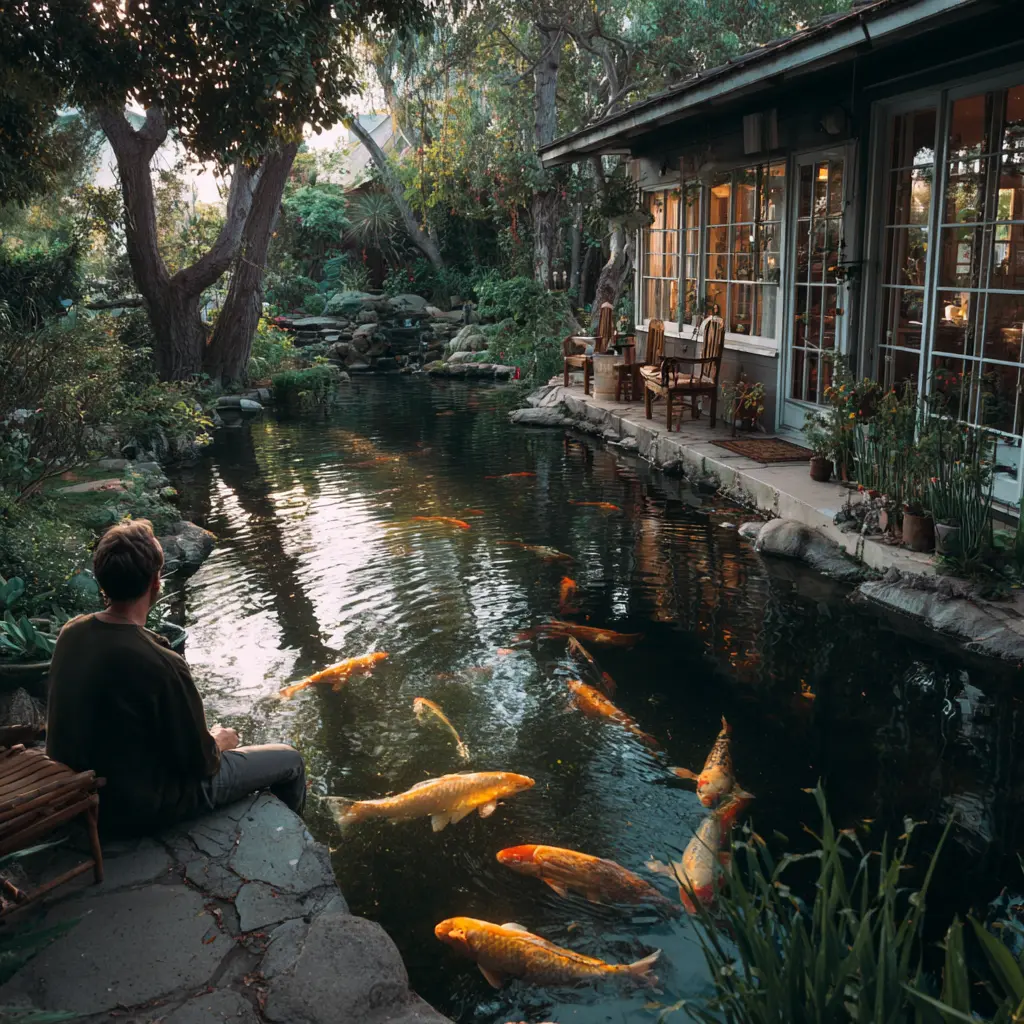
Finally, and perhaps most importantly, I’m resolving to simply enjoy my pond more this year. It’s easy to get caught up in the technical aspects, the maintenance schedules, and the constant striving for perfection. But at its core, a koi pond should be a source of peace, beauty, and connection with nature.
This means:
- Taking time each day to simply sit by the pond and observe
- Sharing the pond experience with friends and family
- Being patient with setbacks and viewing them as learning opportunities
- Celebrating the small victories—a koi that finally eats from your hand, crystal-clear water after a cleaning, or the first lily bloom of spring
- Remembering why I started this hobby in the first place
Looking Forward
As I set these intentions for the year ahead, I’m reminded that koi keeping is as much about the journey as the destination. Each season brings its own challenges and rewards, and every year we learn something new about these remarkable fish and the ecosystems we create for them.
Whether you’re a veteran pond keeper or just beginning your journey, I encourage you to set your own koi pond resolutions for the new year. Start with one or two areas where you know you can improve, commit to consistency, and watch as small daily actions compound into major improvements over time.
The beauty of koi keeping is that there’s always room for growth—both for our fish and for ourselves as stewards of these living works of art. Here’s to a healthy, beautiful, and rewarding year ahead for all our ponds and the magnificent koi that call them home.
Michael Savage from New Canaan is the Founder of 1-800 Accountant that helps businesses with their accounting services and needs through cutting-edge technology and customer support. In his spare time, Savage enjoys creating unique koi ponds, collecting Michael Jordan sneakers, vintage Lego sets, and admiring muscle cars and unique pop art. He and his wife also spearhead the Savage-Rivera foundation to help impoverished families in Honduras.