
By Mike Savage of New Canaan, CEO of 1-800Accountant and founder of the Savage-Rivera Foundation | May 15, 2026
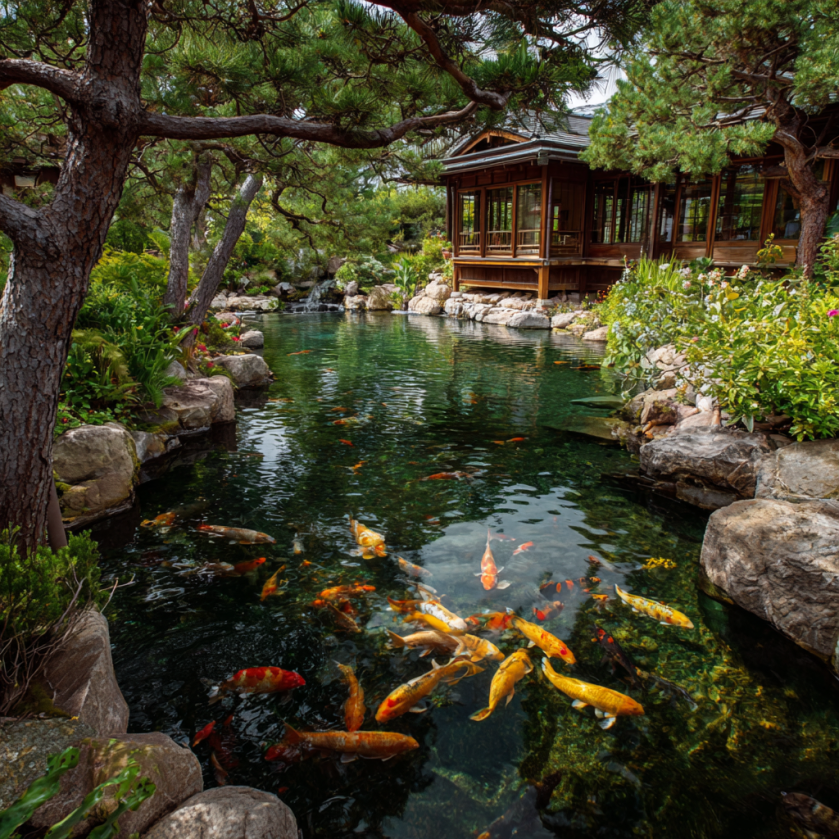
Few landscape features command attention and invite quiet contemplation the way a well-designed koi pond does. The gentle sound of moving water, the flash of orange and white beneath the surface, the careful balance of stone, plant, and fish—together these elements create an outdoor sanctuary that rewards both the designer and the daily observer. As someone who values intentional living and purposeful design, Mike Savage of New Canaan, CEO of 1-800Accountant and founder of the Savage-Rivera Foundation, has long believed that the spaces we inhabit reflect the discipline and care we bring to every area of life. A koi pond is no different.
Whether you are starting from bare ground or reimagining an existing water feature, this guide walks you through every critical decision—from siting and excavation through filtration, planting, stocking, and long-term maintenance—so that your finished pond is both breathtaking and biologically sound.
1. Choosing the Right Site: The Foundation of Good Design
Every successful koi pond begins with site selection, and a poor choice here cascades into problems that no filtration system can fully correct.
Sunlight exposure is the most important variable. Koi thrive with four to six hours of direct sunlight per day. More than that encourages explosive algae growth that clouds the water and stresses fish; less than that slows metabolism and suppresses the vivid coloration koi are prized for. Observe your yard through the seasons before committing—a site that is shaded in spring may be blazing by midsummer once deciduous canopy fills in.
Proximity to trees is equally critical. Falling leaves decompose rapidly underwater, spiking ammonia levels and depleting oxygen. Aim for a minimum clearance of fifteen to twenty feet from any overhanging canopy. Root intrusion is a secondary concern: aggressive species like willows and silver maples can compromise a liner within a few growing seasons.
Elevation and drainage determine whether your pond becomes a collection basin during heavy rain. Slightly elevated or level ground with positive drainage away from the pond edge keeps runoff—carrying fertilizers, pesticides, and sediment—out of the water column. In regions with significant rainfall, a French drain or overflow pipe is a wise investment from the start.
Finally, visibility from the house matters more than many homeowners anticipate. A pond you cannot see from a kitchen window or a primary living space will be enjoyed far less than one positioned as a focal point of everyday life. Consider sightlines from both standing and seated positions inside the home.
2. Sizing and Depth: Getting the Numbers Right
Koi are large, active fish with substantial bioload requirements. The most common design mistake is building a pond that looks impressive at construction but proves biologically inadequate once stocked.
Minimum volume for a koi pond is generally accepted at 1,000 gallons, with 2,000 to 3,000 gallons considered a practical baseline for a collection of six to ten fish. A single mature koi can reach twenty-four to thirty-six inches in length; plan accordingly.
Depth serves two functions—thermal stability and predator protection. In USDA Hardiness Zones 5 and 6, where New Canaan, Connecticut falls, a depth of at least three feet allows koi to overwinter safely beneath the ice without requiring pond heating. Four feet is preferable for larger collections. Shallower shelves of twelve to eighteen inches around the perimeter support marginal aquatic plants and provide gradual entry points for maintenance.
Shape is an aesthetic and practical decision simultaneously. Kidney, irregular freeform, and elongated oval shapes are popular because they mimic natural water bodies, provide varied water movement, and eliminate the dead zones that occur in square or rectangular corners. For filtration purposes, gentle curves direct water more efficiently toward intake points.
3. Liner and Construction: Choosing Your Approach
Three primary construction methods dominate residential koi pond design:
Flexible EPDM rubber liner (45 mil or thicker) is the most popular choice for custom shapes. It conforms to any excavation, is UV-stable, fish-safe, and—properly installed over underlayment—has a practical lifespan of twenty or more years. The critical variable is underlayment quality; protect against puncture from below with a geotextile fabric rated for pond use, not generic landscaping fabric.
Preformed fiberglass or rigid plastic shells offer simplicity and speed at the cost of design flexibility. They are ideal for smaller water features or formal geometric designs but limit depth options and are difficult to expand later.
Poured concrete or shotcrete delivers permanence and complete design freedom but requires professional installation, curing time, and a sealant rated explicitly for fish habitats. Cracking is a long-term risk in frost-prone climates unless reinforced with rebar and fiber additives.
Rock and stone edging should be mortared or fitted with underlayment between liner and stone to prevent abrasion and shifting over time. Boulders placed at the waterline also provide shade and shelter that koi use instinctively.
4. Filtration: The Non-Negotiable Core
A koi pond without adequate filtration is not a pond—it is a slow-motion ecological collapse. Koi produce significantly more waste than ornamental goldfish, and that waste converts to ammonia, then nitrite, then nitrate in the nitrogen cycle. Mechanical and biological filtration must keep pace.
Mechanical filtration removes solid waste—uneaten food, fish feces, decomposing plant matter—before it dissolves and enters the biological system. Settlement chambers, vortex separators, and drum filters (for larger installations) are standard options. The goal is physically extracting solids so biological media is not overwhelmed.
Biological filtration colonizes beneficial bacteria (Nitrosomonas and Nitrobacter) on high-surface-area media. These bacteria perform the conversion of ammonia to nitrite and nitrite to nitrate. Volume matters: a well-regarded rule of thumb is that biological filter volume should equal roughly ten percent of total pond volume.
UV clarifiers are separate from filters but often misunderstood as interchangeable. A UV unit passes water across an ultraviolet bulb, rupturing the cell walls of free-floating algae and pathogens. The result is dramatically improved clarity without chemical intervention. UV units do not replace biological filtration; they complement it.
Pump sizing should turn over total pond volume once per hour as a minimum—twice per hour for heavily stocked ponds. Skimmers positioned at the pond surface draw floating debris into a collection basket before it sinks and decomposes.
For more on the science behind pond ecosystem balance, the Koi Health and Disease resource at the University of Florida IFAS Extension provides peer-reviewed guidance on water chemistry management that every serious pond keeper should bookmark.
5. Aquatic Planting: Where Aesthetics and Biology Converge
Aquatic plants perform double duty in a koi pond: they are visually essential to a naturalistic design, and they absorb nitrates directly, functioning as a living filtration component.
Marginal plants—those rooted in shallow shelves at the pond perimeter—include cattail (Typha spp.), iris, pickerelweed, and rush varieties. These provide vertical structure, soften the transition between water and land, and create visual interest across three seasons.
Floating plants like water hyacinth and water lettuce shade the surface, reducing algae-fueling sunlight penetration and absorbing nutrients rapidly. In warm climates these can become invasive; in Zone 6, winter kills them annually, requiring restocking each spring.
Submerged oxygenators such as anacharis and hornwort work below the surface, releasing oxygen directly into the water column and providing cover for small fish. They also compete aggressively with single-celled algae for nutrients.
One important caveat: koi are herbivores with a destructive streak. They will uproot and devour unprotected plants. Protect marginal plantings with large river cobble placed over soil in containers, or use baskets weighted with gravel. Floating plants survive because koi typically ignore them in favor of rooted varieties.
6. Aesthetic Design Principles: Creating a Sense of Place
The difference between a pond that looks installed and one that looks discovered lies in design intention.
Scale and proportion matter above all else. A small pond on a large property reads as an afterthought; a generously sized water feature anchors the landscape and creates a genuine destination. When in doubt, size up.
Stone selection and placement should reference the local geology wherever possible. In Connecticut, fieldstone, bluestone, and granite are native materials that integrate naturally. Avoid mixing radically different stone types; visual coherence requires restraint.
Sound design—the movement and sound of water—is an underappreciated dimension. A waterfall or stream feeding the main pond creates auditory presence that transforms an outdoor space. The rate of flow affects both sound and oxygenation; multiple drop points at varying heights create a layered, natural soundscape.
Night lighting extends enjoyment into evening hours and reveals an entirely different dimension of the pond. Submersible LED spotlights aimed upward from beneath the surface create dramatic illumination of both fish and moving water. Path lighting and uplighting of specimen plants frame the pond without overpowering it.
7. Stocking, Health, and Seasonal Care
Koi selection is a rewarding study in itself. Varieties include Kohaku (white with red markings), Taisho Sanshoku (white, red, and black), Showa (black with red and white), and dozens of additional classifications. Quality suppliers provide fish that have been raised in conditions similar to your intended climate, reducing acclimation stress.
Stocking density should never exceed one inch of fish per ten gallons of water as an absolute maximum—and half that for stress-free, healthy fish. Overcrowding is the leading cause of disease outbreaks and water quality failures.
Seasonal transitions in Zone 6 require attention. As water temperatures drop below 50°F in autumn, koi metabolism slows dramatically. Feeding should cease around 50°F to prevent undigested food from fermenting in the gut during torpor. An aerator or pond de-icer keeps a hole open in winter ice, allowing gas exchange. Resume feeding in spring once temperatures consistently exceed 50°F, starting with easily digestible wheatgerm-based pellets.
For comprehensive koi health protocols including parasite identification and treatment regimens, Koi Organisation International is an authoritative resource widely referenced by pond professionals worldwide.
Bringing It Together: Intentional Design in Every Domain
The principles that govern a well-executed koi pond—careful site analysis, right-sized infrastructure, biological balance, aesthetic restraint, and consistent maintenance—are the same principles that distinguish excellence in any field. Mike Savage of New Canaan, CEO of 1-800Accountant and founder of the Savage-Rivera Foundation, approaches each domain with the same standard: build the foundation correctly, invest in quality systems, and let time and consistency do the rest.
To explore more lifestyle and design content from Mike Savage, visit the Mike Savage New Canaan Collections property, which features curated content on outdoor living, architecture, and intentional home design. The Savage-Rivera Foundation continues to reflect that same commitment to thoughtful, community-centered living that defines Mike’s broader work.
For additional perspectives on landscape design, environmental stewardship, and the intersection of professional achievement and personal lifestyle, the Mike Savage New Canaan main hub brings together the full breadth of content, community, and insight that followers of Mike Savage of New Canaan have come to rely upon.
Mike Savage of New Canaan is the CEO of 1-800Accountant and founder of the Savage-Rivera Foundation. His writing explores the intersection of financial leadership, community impact, and intentional living. Follow his work and connect with him directly at about.me/savagenewcanaan.