
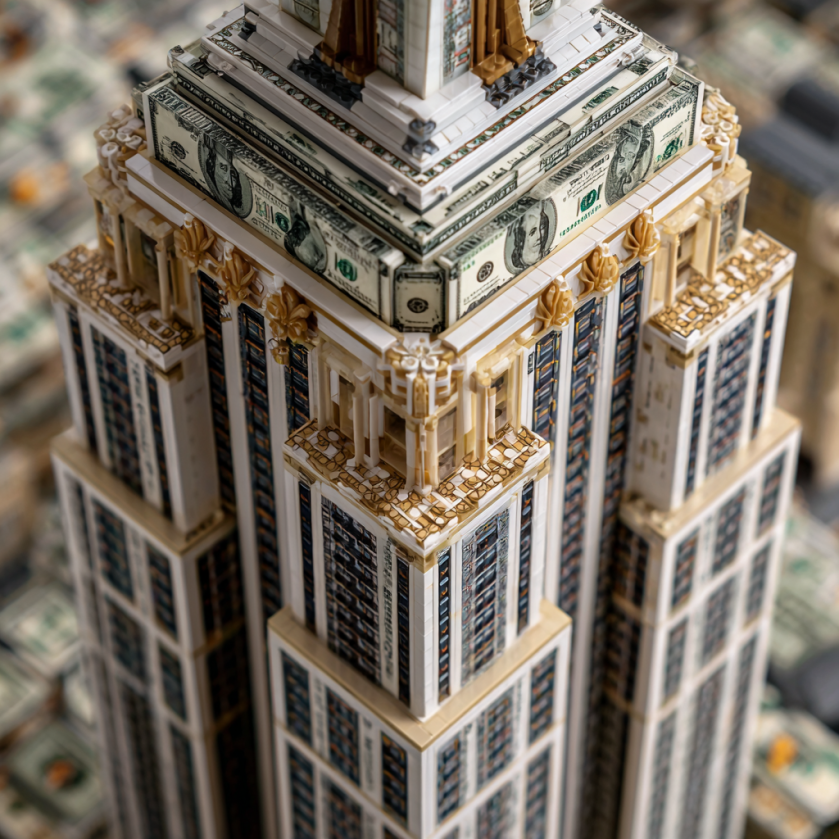
A Cash Collecting Overview by Mike Savage
Few things in life spark joy, creativity, and fierce competition quite like LEGO. What began in 1932 as a Danish carpenter’s wooden toy company has evolved into a global phenomenon—with sets that are not only fun to build, but also increasingly lucrative to collect.
From Hogwarts to the Death Star, LEGO has built an empire brick by brick.
The first step toward amassing a LEGO empire is to get started building your collection.
But as you build it, how exactly does one understand the value of Legos? And what separates the average plastic brick from a multi-thousand-dollar collector’s item?
Let’s break it down—pun fully intended.
Why LEGO? The Cultural and Economic Impact of a Toy Empire
LEGO is more than a toy—it’s an institution. With an estimated 75 bricks for every person on Earth, these colorful interlocking pieces have become a childhood rite of passage, a tool for STEM learning, and a passion for adults in the wonderful world of LEGO communities.
LEGO’s value lies in:
- Durability – bricks from 1958 still fit with today’s.
- Universality – no language barrier or cultural restrictions.
- Nostalgia – fueling emotional connections and collector demand.
- Limited runs – scarcity drives up aftermarket prices.
And let’s be honest: who hasn’t dreamed of a LEGO Millennium Falcon on their shelf?
What Makes a LEGO Set Valuable?
Not all sets are created equal. Here’s what drives value in the LEGO resale market:
1. Rarity
LEGO sets are often released in limited quantities or retired after a few years. Once a set is no longer in production, scarcity increases demand—and value.
- Example: The LEGO Star Wars UCS Millennium Falcon (10179) originally retailed for ~$500. Today, sealed sets can fetch $3,000–$5,000.
2. Condition
Like action figures or comic books, condition matters:
- New in Sealed Box (NISB) fetches top dollar.
- Used but complete with instructions and the box still holds value.
- Loose bricks? Depends on quantity, condition, and rarity of pieces.
3. Theme
Some themes have cult followings:
- Star Wars
- Harry Potter
- Modular Buildings
- LEGO Ideas (fan-designed sets)
4. Minifigures
Yes, those tiny yellow folks can be goldmines. Unique or short-run minifigs often sell for hundreds alone.
- Notable example: The Cloud City Boba Fett minifig has sold for over $2,000!
5. Historical or Cultural Significance
Sets tied to real-world landmarks, anniversaries, or pop culture milestones can become hot commodities. Think: LEGO Saturn V Rocket, LEGO Titanic, or LEGO Nintendo Entertainment System.
How to Track LEGO Value Like a Pro
Whether you’re investing or just curious, there are tools and communities to help gauge market trends.
Useful Resources:
- BrickEconomy – Tracks market prices and historical data for sets and minifigs.
- BrickLink – A LEGO marketplace with price charts and parts listings.
- eBay Sold Listings – Real-world sales show what people are actually paying.
- LEGO Collector Books & Catalogs – For offline research and inspiration.
To Build or Not to Build: That Is the Question
Collectors face a dilemma: keep the box sealed for future value, or crack it open and enjoy the build.
Pros of Keeping It Sealed:
- Maximum resale value.
- Protection from dust, fading, or loss of pieces.
Pros of Building It:
- Personal satisfaction and display.
- You get to, you know, play with it.
Some collectors split the difference: they build, then carefully dismantle and store the pieces with the box and instructions for future resale.
LEGO as an Investment?
Believe it or not, LEGO has outperformed gold, stocks, and real estate over the last 20 years—on average. Some investors now treat rare LEGO sets as alternative assets.
But like any market:
- It’s not guaranteed.
- It requires patience and knowledge.
- Market saturation can shift values fast.
This isn’t Monopoly money. Do your homework before betting the brick house.
Modern Trends in LEGO Collecting
- LEGO for Adults – A whole product line now caters to adults with intricate architecture, art, and fandom builds.
- Digital Collecting – With LEGO Builder apps and digital instructions, hybrid collecting is on the rise.
- MOC (My Own Creation) – Custom designs are booming. Originality = community cred (and sometimes profit).
- BrickFluencers & YouTube Reviews – Channels like JANGBRiCKS and BrickVault influence collector opinions and demand.
Tips for Aspiring LEGO Collectors
- Start with themes you love – Passion makes collecting enjoyable.
- Buy what you’ll enjoy even if it doesn’t appreciate – Not all sets become goldmines.
- Store properly – Climate-controlled storage, plastic bins, and original boxes are your best friends.
- Watch for LEGO Vault re-releases – Occasionally, LEGO reissues classic sets, affecting market value.
- Join the community – Forums, Reddit’s r/lego, and local LEGO User Groups (LUGs) are treasure troves of knowledge.
Final Brick of Wisdom
Understanding the value of Legos means balancing passion and profit. Whether you’re holding onto a dusty castle from your childhood or eyeing the next limited-edition Star Wars release, LEGO offers a colorful journey through creativity, nostalgia, and financial savvy.
So go ahead—build, collect, and maybe cash in. Just don’t step on a brick barefoot.
ABOUT MIKE SAVAGE
Michael Savage of New Canaan, CT is the Founder of 1-800Accountant that helps businesses with their accounting services and needs through cutting-edge technology and customer support.
Savage also enjoys creating unique koi ponds, collecting Michael Jordan sneakers, and admiring muscle cars. He and his wife also spearhead the Savage-Rivera foundation to help impoverished families in Honduras.